
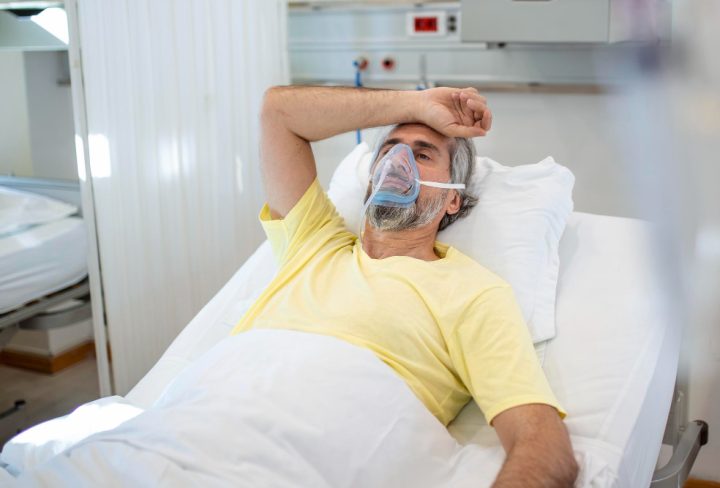
What is Pneumonia?
Pneumonia is a lung infection that can make it hard to breathe. It happens when germs, like bacteria or viruses, enter the lungs. As a result, the air sacs in the lungs fill with fluid or pus. This can cause coughing, fever, and trouble breathing. According to the World Health Organization (WHO), pneumonia affects people of all ages, but it can be more serious for young children, older adults, and those with weak immune systems.
Common Symptoms of Pneumonia
It is important to know the signs of pneumonia early. While symptoms can vary, many people notice changes in how they feel. For example, you might feel tired or have a cough that will not go away. Below are common pneumonia symptoms:
However, not everyone has all these symptoms. Some people may have only mild signs, while others feel very sick.
Causes and Risk Factors
Pneumonia can be caused by different germs. Most often, bacteria or viruses are to blame. Sometimes, fungi can also cause pneumonia, but this is less common. The Centers for Disease Control and Prevention (CDC) notes that certain people are at higher risk. For instance, young children and seniors are more likely to get pneumonia. Other risk factors include:
Because these factors increase your risk, it is important to take steps to protect yourself.
How Pneumonia is Diagnosed
Doctors use several methods to find out if you have pneumonia. First, they ask about your symptoms and listen to your lungs with a stethoscope. Often, they hear crackling or bubbling sounds. Next, a chest X-ray can show if there is an infection in your lungs. Sometimes, doctors order blood tests or test your mucus to find the cause. In some cases, other scans or tests may be needed. If you wonder how is pneumonia diagnosed, these steps help doctors choose the best treatment for you.
Treatment Options for Pneumonia
Treatment for pneumonia depends on the cause and how sick you are. For bacterial pneumonia, doctors usually prescribe antibiotics. If a virus is the cause, rest and fluids are important, since antibiotics do not work on viruses. Sometimes, antiviral medicine may help. In addition, your doctor may suggest:
Most people recover at home. However, some may need hospital care, especially if breathing is very hard or oxygen levels are low. Always follow your doctor’s advice for the best results.
Prevention Tips and Lifestyle Guidance
Preventing pneumonia is possible with a few simple steps. For example, vaccines can protect against some types of pneumonia. The CDC recommends vaccines for children, older adults, and people with certain health problems. To lower your risk, try these tips:
By following these steps, you can help protect yourself and your loved ones from pneumonia.
When to See a Doctor
Sometimes, pneumonia can become serious very quickly. Therefore, you should see a doctor if you have:
Early treatment can prevent problems. If you are not sure, it is always better to ask a healthcare professional.
In summary, pneumonia is a serious lung infection, but it can be managed and prevented. Consult a healthcare professional for personalized advice on pneumonia.