
What is Obstructive Sleep Apnea?
Obstructive sleep apnea is a common sleep disorder. It happens when your throat muscles relax too much during sleep. As a result, your airway becomes blocked. This blockage causes you to stop breathing for short periods. Often, these pauses last for a few seconds. However, they can happen many times each night. Because of this, your sleep quality suffers. Obstructive sleep apnea can affect anyone, but it is more common in adults. Early detection is important. With the right care, you can manage this condition well.
Common Symptoms
Many people do not realize they have obstructive sleep apnea. Still, there are signs of sleep apnea you can watch for. For example, you may notice:
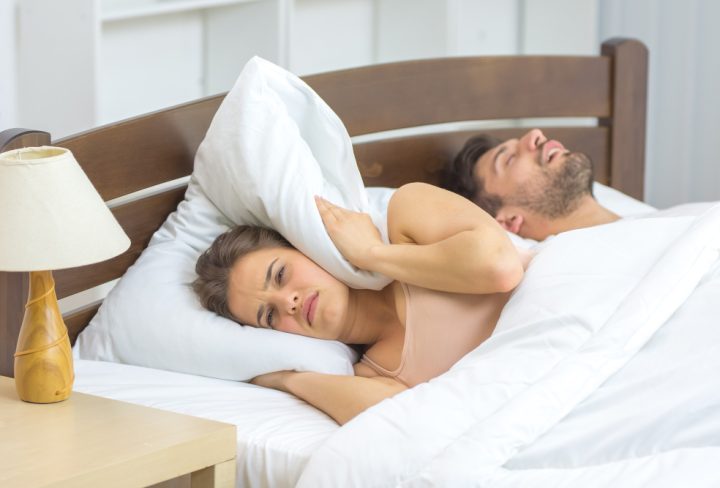
Sometimes, a partner may notice these symptoms first. If you have any of these signs, it is wise to talk to your doctor.
Causes and Risk Factors
Obstructive sleep apnea happens when the muscles in your throat relax. Because of this, your airway narrows or closes. Several factors can increase your risk. For instance, you may be more likely to develop sleep apnea if you have:
Additionally, certain medical conditions, such as high blood pressure or diabetes, can raise your risk. Understanding these risk factors can help you take steps to prevent sleep apnea.
How is Obstructive Sleep Apnea Diagnosed?
Doctors use several methods to diagnose obstructive sleep apnea. First, your doctor will ask about your symptoms and medical history. Next, they may perform a physical exam. Often, you will need a sleep study. This test, called polysomnography, records your breathing, heart rate, and oxygen levels while you sleep. Sometimes, you can do a home sleep apnea test. However, your doctor will decide which test is best for you. Early diagnosis is key. With the right test, you can start sleep apnea treatment options sooner.
Treatment Options
There are several sleep apnea treatment options available. Your doctor will choose the best one for you. Common treatments include:
Because each person is different, your doctor will recommend the most effective treatment for you.
Lifestyle Tips and Prevention
While treatment is important, you can also take steps to prevent sleep apnea or reduce its effects. Here are some helpful tips:
By making these changes, you can improve your sleep and lower your risk. For many people, these steps make a big difference.
When to See a Doctor
If you notice signs of sleep apnea, do not ignore them. For example, if you snore loudly or feel tired during the day, it is time to seek help. Additionally, if your partner notices you stop breathing at night, talk to your doctor. Early treatment can prevent serious health problems, such as heart disease or high blood pressure. Remember, your doctor can guide you to the best sleep apnea treatment options.
In summary, obstructive sleep apnea is a serious but treatable condition. With the right care, you can sleep better and feel healthier. Consult a pulmonologist for personalized advice on obstructive sleep apnea.