
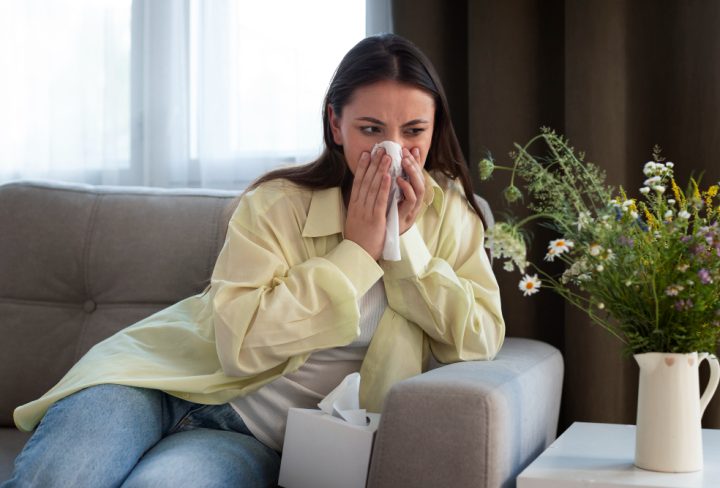
What is Allergic Rhinitis?
Allergic rhinitis is a common condition. It happens when your nose reacts to things in the air, like pollen or dust. These things are called allergens. When you breathe them in, your body may see them as harmful, even if they are not. As a result, you might sneeze, have a runny nose, or feel itchy. Many people call this condition hay fever. However, it can happen at any time of year, not just during spring or fall.
Main Causes of Allergic Rhinitis
Allergic rhinitis starts when your immune system reacts to harmless things in the air. These things, called allergens, trigger your body to release chemicals like histamine. Because of this, you get symptoms such as sneezing, stuffy nose, and watery eyes. The main causes are usually things you breathe in every day. For example, pollen, dust mites, and pet dander are common triggers. According to the Centers for Disease Control and Prevention (CDC), millions of people experience allergic rhinitis each year.
Common Allergens
Many different allergens can cause allergic rhinitis. Some are found indoors, while others are outside. Below are the most common ones:
In some areas, like cities with high pollution or places with lots of plants, allergic rhinitis may be more common. For instance, pollen counts can be higher in rural regions during certain seasons.
Risk Factors
Some people are more likely to get allergic rhinitis than others. For example, if your parents have allergies, you may have a higher risk. Other risk factors include:
Additionally, children and young adults often develop symptoms earlier in life. But adults can get allergic rhinitis, too.
How Allergic Rhinitis Develops
When you first breathe in an allergen, your body may not react right away. However, over time, your immune system can become sensitive. After that, each time you breathe in the allergen, your body reacts quickly. It releases chemicals like histamine. Because of this, you get symptoms such as sneezing, itching, and a runny nose. Sometimes, symptoms can be mild. Other times, they can be severe and affect your daily life.
When to Seek Medical Advice
Most people can manage mild allergic rhinitis at home. However, you should see a doctor if:
Sometimes, allergic rhinitis can lead to other problems, like sinus infections or asthma. Therefore, it is important to get the right treatment. The World Health Organization (WHO) and CDC recommend seeing a healthcare professional for ongoing symptoms.
Conclusion
Allergic rhinitis is caused by your body’s reaction to allergens like pollen, dust, or pet dander. While it is common, it can affect your daily life. If you have ongoing symptoms, consult a healthcare professional for personalized advice on managing allergic rhinitis.