
What Is Sleep Apnea?
Sleep apnea is a common sleep disorder. It causes your breathing to stop and start while you sleep. Because of this, your body may not get enough oxygen during the night. As a result, you may feel tired during the day. Sleep apnea can affect anyone, but it is more common in adults. According to the CDC, many people with sleep apnea do not know they have it. Early detection is important for your health.
Causes of Sleep Apnea
There are several sleep apnea causes. Most often, the airway becomes blocked during sleep. This is called obstructive sleep apnea. Sometimes, the brain does not send the right signals to the muscles that control breathing. This is known as central sleep apnea. In some cases, both types can occur together.
Because these risk factors can add up, it is important to know your own risks. For more details, the CDC and WHO offer helpful resources.
Warning Signs and Symptoms
Many people do not notice sleep apnea symptoms right away. However, there are clear warning signs. For example, loud snoring is common. But there are other symptoms to watch for as well.
Because these symptoms can affect your daily life, it is important to pay attention. If you notice several of these signs, you may have sleep apnea.
Why Snoring Shouldn’t Be Ignored
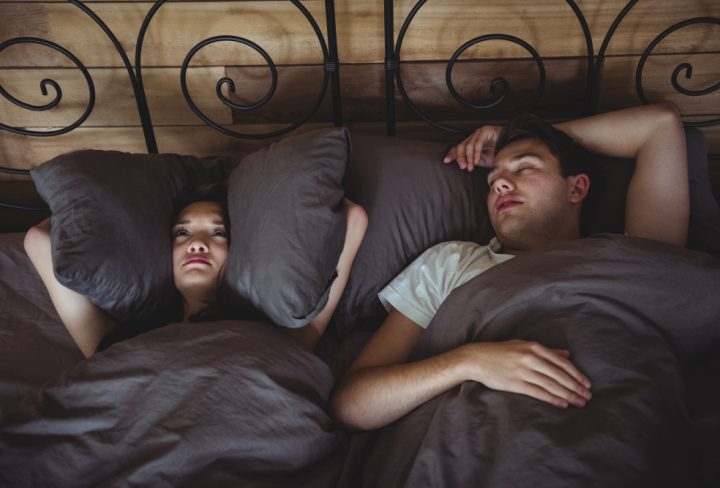
Snoring and sleep apnea often go hand in hand. While snoring is common, it can be a sign of a more serious problem. For instance, loud or frequent snoring may mean your airway is blocked. This can lower oxygen levels in your blood. Over time, untreated sleep apnea can lead to high blood pressure, heart disease, stroke, or diabetes. Therefore, you should not ignore snoring, especially if you feel tired during the day. If you wonder when to see a doctor for snoring, the answer is simple: seek help if snoring is loud, frequent, or paired with other symptoms.
Diagnosis and When to Seek Help
If you think you may have sleep apnea, talk to your doctor. They may ask about your sleep habits and symptoms. Sometimes, they will suggest a sleep study. This test checks your breathing, heart rate, and oxygen levels while you sleep. Because early diagnosis can prevent health problems, do not wait to seek help. If you or a loved one snores loudly or feels tired during the day, see a healthcare provider. The CDC recommends getting checked if you notice any warning signs.
Treatment Options
There are several ways to treat sleep apnea. Your doctor will suggest the best option for you. Treatment depends on the type and cause of your sleep apnea.
Because treatment can improve your sleep and health, it is important to follow your doctor’s advice. The American Academy of Sleep Medicine offers more information on these options.
Prevention and Lifestyle Tips
Although you cannot prevent all cases, you can lower your risk of sleep apnea. Simple lifestyle changes can make a big difference. For example, you can:
Because small changes add up, start with one or two tips. Over time, these steps can help you sleep better and feel more rested.
If you or a loved one experience symptoms of sleep apnea, consult a healthcare specialist for personalized advice.