
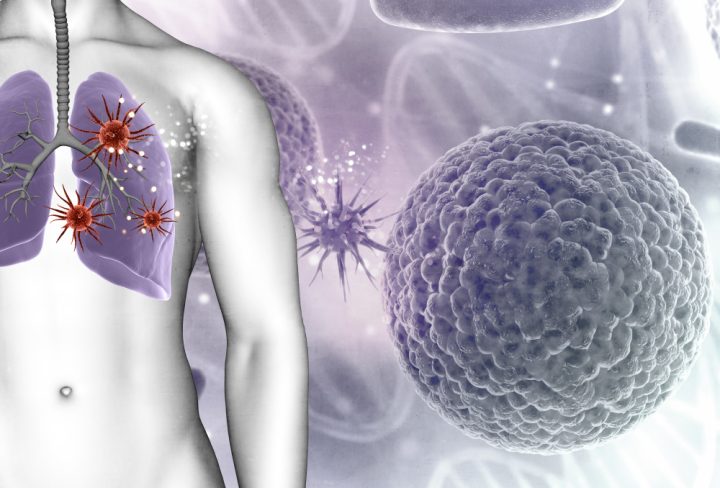
Lung cancer is a disease where abnormal cells grow in the lungs. Early detection of lung cancer can save lives because it allows for faster treatment. In fact, lung cancer screening and early diagnosis help doctors find cancer before it spreads. An interventional pulmonologist is a lung specialist who uses special tools to diagnose and treat lung problems. With their help, patients can get the right care sooner. According to the CDC and WHO, early detection leads to better outcomes for lung cancer patients.
What Is Lung Cancer?
Lung cancer starts when cells in the lungs grow out of control. These cells can form a lump, called a tumor. Over time, the tumor can spread to other parts of the body. Usually, lung cancer does not cause symptoms at first. However, as it grows, people may notice signs like:
Because symptoms often appear late, many cases are found at an advanced stage. That is why early detection is so important.
Why Early Detection of Lung Cancer Saves Lives
Early detection of lung cancer gives patients the best chance for a cure. When doctors find cancer early, it is often smaller and easier to treat. For example, early-stage lung cancer may be removed with surgery or treated with less aggressive therapies. In contrast, late-stage cancer may have already spread, making treatment harder. According to the American Cancer Society, people diagnosed early have a much higher survival rate. Therefore, lung cancer screening and early diagnosis are key to saving lives.
How Lung Cancer Is Detected Early
Doctors use several methods to find lung cancer early. Most often, they recommend a low-dose CT scan for people at high risk. This scan can spot small tumors before symptoms appear. In addition, doctors may use chest X-rays or sputum tests. If a scan shows something unusual, further tests help confirm the diagnosis. Early detection tools include:
Screening is especially important for smokers or those with a family history of lung cancer. If you live in a city with high pollution, such as [City/Region], talk to your doctor about lung cancer screening options.
The Role of the Interventional Pulmonologist
An interventional pulmonologist is a lung specialist trained in advanced procedures. They use special tools to diagnose and treat lung diseases, including lung cancer. For instance, they can perform bronchoscopy, which lets them look inside the lungs and take samples. They also use ultrasound and other imaging to guide their work. Because of their skills, interventional pulmonologists play a key role in early diagnosis and treatment. They help patients get answers quickly and start the right lung cancer treatment sooner.
Benefits of Early Intervention
When lung cancer is found early, patients have more treatment options. As a result, they may need less aggressive therapy and have fewer side effects. Early intervention can also:
Because of these benefits, experts recommend regular lung cancer screening for people at risk.
Tips for Reducing Lung Cancer Risk
While not all cases can be prevented, you can lower your risk with healthy choices. For example:
Because early action makes a difference, talk to your healthcare provider about your risk factors.
In summary, early detection of lung cancer saves lives. Interventional pulmonologists play a vital role in finding and treating lung cancer early. If you have risk factors or symptoms, do not wait. Consult a lung specialist or your healthcare provider about lung cancer screening and personalized advice.