
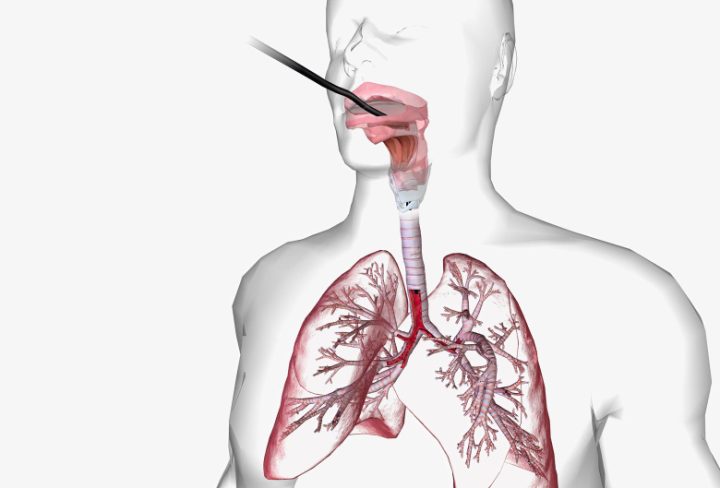
What Is Bronchoscopy?
Bronchoscopy is a medical test that lets doctors look inside your lungs and airways. During this procedure, a thin, flexible tube called a bronchoscope goes through your nose or mouth. This tube has a light and camera, so doctors can see your airways clearly. Often, bronchoscopy helps find the cause of breathing problems, cough, or infections. According to the CDC, it is a safe and common test used worldwide.
Common Reasons for Bronchoscopy
Doctors may suggest bronchoscopy for many reasons. For example, it helps them:
Sometimes, bronchoscopy is also used to treat certain lung problems. Because it gives a clear view, doctors can make better decisions about your care.
How to Prepare for the Procedure
Before your bronchoscopy, your doctor will give you clear instructions. Usually, you should not eat or drink for at least six hours before the test. This helps lower the risk of choking. Also, tell your doctor about any medicines you take. Some medicines, like blood thinners, may need to be stopped for a short time. If you have allergies, especially to medicines, let your doctor know. In most cases, you will need someone to drive you home after the procedure.
Step-by-Step Overview of the Bronchoscopy Process
Knowing what to expect during bronchoscopy can help you feel calm. Here is a simple step-by-step guide:
Most bronchoscopy procedures take 30 to 60 minutes. However, you may stay longer for observation.
Possible Risks and Complications
Bronchoscopy is usually safe, but like any procedure, it has some risks. According to the WHO and medical journals, these risks are rare. Still, it is important to know them:
If you notice chest pain, trouble breathing, or heavy bleeding after bronchoscopy, call your doctor right away. Most people have only mild side effects that go away soon.
Recovery and Aftercare Tips
After bronchoscopy, you will rest until the medicine wears off. Because your throat may feel numb, wait until it returns to normal before eating or drinking. This usually takes about one to two hours. Here are some helpful bronchoscopy recovery tips:
Most people return to normal activities the next day. However, always listen to your body and your doctor’s advice.
Frequently Asked Questions About Bronchoscopy
Conclusion
Bronchoscopy is a safe and helpful test for finding and treating lung problems. While most people recover quickly, it is important to follow your doctor’s advice. If you have questions or concerns, consult a pulmonologist for personalized advice about bronchoscopy.