
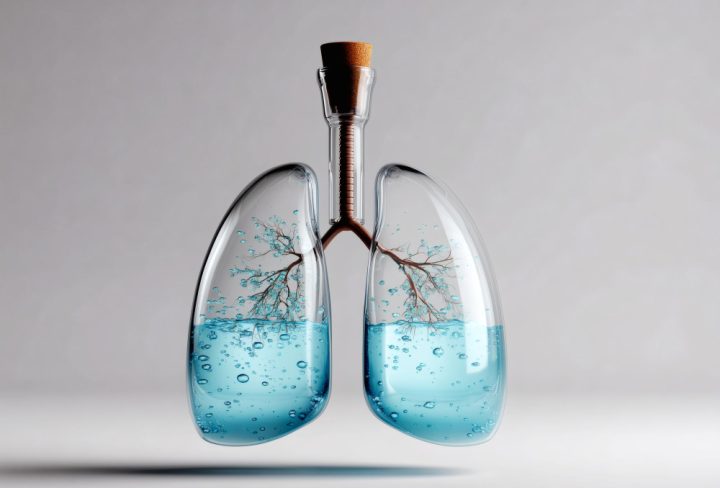
What is Pleural Effusion?
Pleural effusion means there is extra fluid in the space around your lungs. This space is called the pleural cavity. Normally, only a small amount of fluid is present to help your lungs move smoothly. However, when too much fluid builds up, it can make breathing hard. Pleural effusion is sometimes called “fluid in the lungs,” but the fluid is actually around the lungs, not inside them. This condition can happen for many reasons. It is important to know the symptoms and causes so you can get help early.
Common Symptoms of Pleural Effusion
Pleural effusion symptoms can be mild or severe. Sometimes, people do not notice any signs at first. But as the fluid increases, symptoms often appear. For example, you may feel short of breath. In addition, you might notice chest pain, especially when you take a deep breath. Some people also have a dry cough. If the fluid builds up quickly, you may feel very tired or have trouble breathing even at rest. Watch for these common symptoms:
If you notice these signs, it is important to see a doctor soon.
Causes and Risk Factors
There are many fluid in the lungs causes. Some are more common than others. For instance, heart failure is a leading cause. When the heart does not pump well, fluid can leak into the pleural space. Infections like pneumonia can also lead to pleural effusion. Cancer, especially lung or breast cancer, may cause fluid to collect. Kidney or liver disease can also be risk factors. In some cases, injury or surgery near the lungs can lead to this problem. Here are some main causes and risk factors:
Older adults and people with chronic illnesses have a higher risk. If you have any of these conditions, regular check-ups can help catch problems early.
How Pleural Effusion is Diagnosed
Doctors use several steps to diagnose pleural effusion. First, they ask about your symptoms and medical history. Next, they listen to your chest with a stethoscope. Often, they order a chest X-ray to look for fluid. Sometimes, an ultrasound or CT scan gives a clearer picture. If fluid is found, doctors may use a needle to remove a small sample. This test is called thoracentesis. The sample helps find the cause of the fluid. Blood tests may also be done to check for infection or other problems. Early diagnosis helps guide the best pleural effusion treatment.
Treatment Options for Pleural Effusion
Treatment depends on the cause and how much fluid is present. In mild cases, doctors may watch and wait. However, if symptoms are severe, the fluid may need to be drained. This is often done with a needle or small tube. Treating the underlying cause is very important. For example, if heart failure is the cause, medicines to remove extra fluid may help. If infection is present, antibiotics are needed. In some cases, surgery may be required to prevent fluid from coming back. Here are common pleural effusion treatment options:
Your doctor will choose the best treatment for your situation.
Prevention and Lifestyle Tips
While not all cases can be prevented, you can lower your risk. For instance, managing chronic health problems is key. Take your medicines as prescribed. Eat a healthy diet and stay active. Do not ignore symptoms like cough or chest pain. If you have heart, kidney, or liver disease, regular check-ups are important. In addition, avoid smoking and limit alcohol. These steps can help prevent pleural effusion or catch it early. Here are some tips on how to prevent pleural effusion:
Early action can make a big difference in your health.
When to Seek Medical Help
If you have trouble breathing, chest pain, or a lasting cough, see a doctor right away. Quick treatment can prevent serious problems. Remember, pleural effusion can be managed with the right care.
Consult a pulmonologist Dr. Ankur Saini for personalized advice on pleural effusion.