
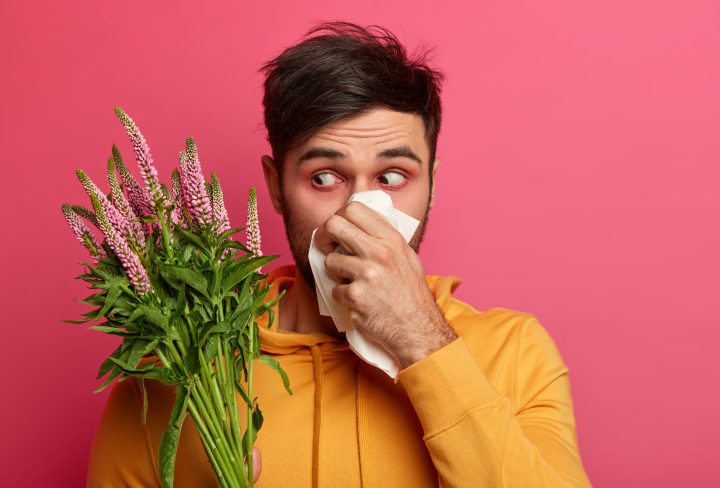
What is Allergic Rhinitis?
Allergic rhinitis is a common condition that affects the nose. It happens when your body reacts to allergens like pollen, dust, or pet dander. Because of this reaction, your nose may feel itchy, runny, or blocked. Many people call it hay fever or nasal allergies. Although it is not dangerous, allergic rhinitis can make daily life uncomfortable. For some, it happens only during certain seasons. Others may have symptoms all year round. Understanding allergic rhinitis can help you manage it better.
Common Causes of Allergic Rhinitis
Allergic rhinitis starts when your immune system reacts to harmless things in the air. These things are called allergens. When you breathe them in, your body releases chemicals that cause allergy symptoms. Some common causes include:
For many people, these triggers are hard to avoid. However, knowing your triggers can help you take steps to prevent symptoms.
Recognizing Symptoms
Allergic rhinitis symptoms can be mild or severe. They often start soon after you are exposed to an allergen. Common signs include:
Sometimes, symptoms can last for weeks. For example, during pollen season, you may feel unwell for a long time. If you notice these signs often, you may have allergic rhinitis.
How Allergic Rhinitis is Diagnosed
Doctors use several steps to diagnose allergic rhinitis. First, they ask about your symptoms and when they happen. Next, they may check your nose and throat. Sometimes, doctors suggest allergy tests. These tests can include:
With these tests, your doctor can find out what triggers your symptoms. As a result, you can avoid those triggers and get the right treatment.
Treatment Options
There are many ways to treat allergic rhinitis. Your doctor may suggest one or more of the following:
For mild symptoms, over-the-counter medicines may help. However, always talk to your doctor before starting any new treatment. If you want to know how to treat allergic rhinitis, your doctor can guide you based on your needs.
Lifestyle Tips and Prevention
Preventing allergic rhinitis can make life easier. While you may not avoid all allergens, these tips can help:
In addition, avoid smoking or strong odors, as these can make symptoms worse. By following these steps, you can reduce your risk of nasal allergies and enjoy better health.
When to See a Doctor
Sometimes, allergic rhinitis symptoms can be hard to control. You should see a doctor if:
Early treatment can prevent problems like sinus infections or asthma. Therefore, do not wait too long to get help.
If you have symptoms of allergic rhinitis, consult a healthcare specialist for personalized advice.